

Why the Next Decade Belongs to the Partner Ecosystem
07 May 2026


Redmond Orme
Fractional Global Partner Director | Scaling B2B SaaS & eCommerce | Channel Strategy & GTM Specialist | Consultant @ Cloud and Commerce
Share with your community!
Part 7 – Why the Next Decade Belongs to the Partner Ecosystem
This article is part of a series exploring what actually makes modern SaaS partner ecosystems work — from enablement and data to trust, hybrid partners, and ecosystem strategy.
A Structural Shift, Not a Strategic Option
For a long time, partnerships were described as leverage. They were positioned as an extension of reach, a multiplier layered onto a direct sales motion, or an efficiency play designed to reduce customer acquisition cost. That framing made sense in a world where vendors could still operate largely within the boundaries of their own product categories.
That world has changed. We are moving into a decade in which ecosystems will not simply support growth — they will define the architecture of it. The shift is less about enthusiasm for collaboration and more about structural necessity.
According to Canalys, nearly 70% of global technology revenue already flows through partners. That statistic is often cited to justify channel investment, but its deeper implication is that enterprise technology has become inherently networked. Value is rarely delivered by a single vendor acting alone. It is assembled across multiple actors who collectively solve increasingly complex customer problems.
At the same time, the environment in which technology companies operate has become more disciplined. Buying committees are broader and more commercially rigorous. Budgets are scrutinised more carefully. Timelines to measurable return are shorter. In that setting, customers are not looking for isolated products; they are looking for integrated outcomes that reduce risk and accelerate impact.
No single vendor can meet that expectation in isolation. Ecosystems bridge that gap — but not all ecosystems are created equal.
Some are loosely constructed collections of partners tied together by incentive structures and quarterly reporting. Others are intentionally designed systems aligned around how customers buy, implement, expand, and derive value. The difference between those two models will become increasingly visible over the next decade.
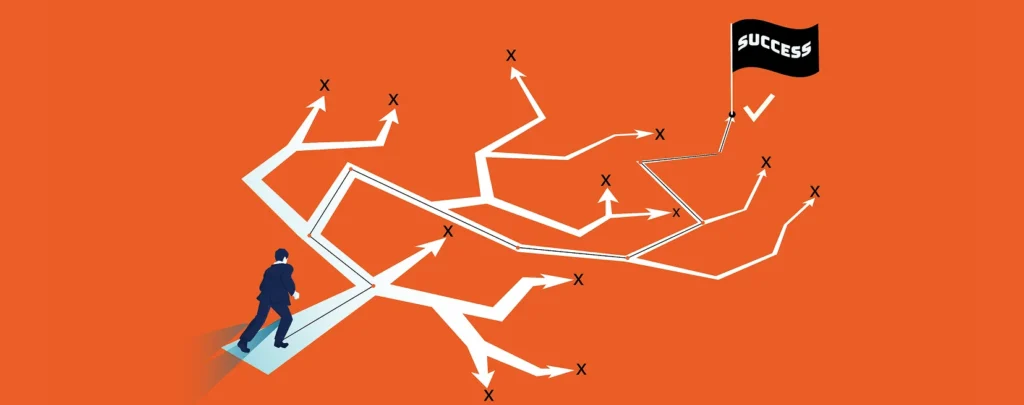
What I am seeing more clearly now is that organisational maturity and ecosystem maturity tend to rise together. It reflects whether a company understands that value creation extends beyond its own feature set and into the network of relationships surrounding it.
That understanding has started to surface in capital conversations. Research from Bain & Company has consistently shown that focused ecosystem investment can generate disproportionate indirect revenue growth without equivalent increases in cost. In a capital environment where operating leverage and resilience matter more than headline expansion alone, that distinction carries weight.
Ecosystems influence blended acquisition cost, affect retention durability, and shape how effectively integrated solutions expand within accounts. In practical terms, ecosystem design increasingly intersects with enterprise value.
This is where a quiet divide is forming. There are organisations that are redesigning intentionally. They are building adaptive enablement models, reducing friction in co-sell governance, recognising that partners evolve over time, and structuring programs that account for hybrid behaviour rather than resisting it. These companies are treating ecosystem design as structural work.
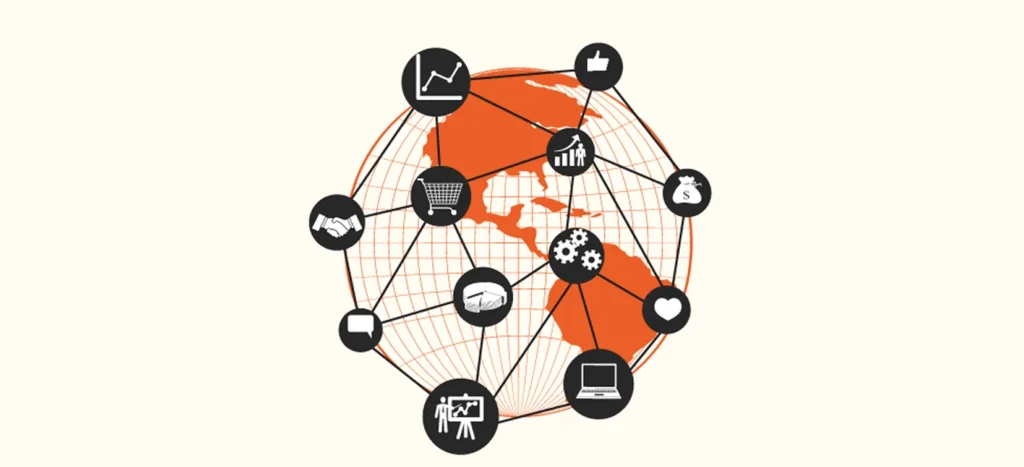
And there are organisations still optimising static tiering frameworks, counting partner logos rather than measuring partner contribution, and mistaking motion for maturity. In these environments, friction accumulates slowly — in misaligned incentives, blurred accountability, and co-sell conflict — until trust begins to erode.
Over time, the market rewards coherence. Ecosystems that are commercially, operationally, and culturally aligned move with greater speed. They learn faster. They execute faster. They expand more fluidly. Speed, in technology markets, compounds. And compounding ecosystems outpace isolated operators.
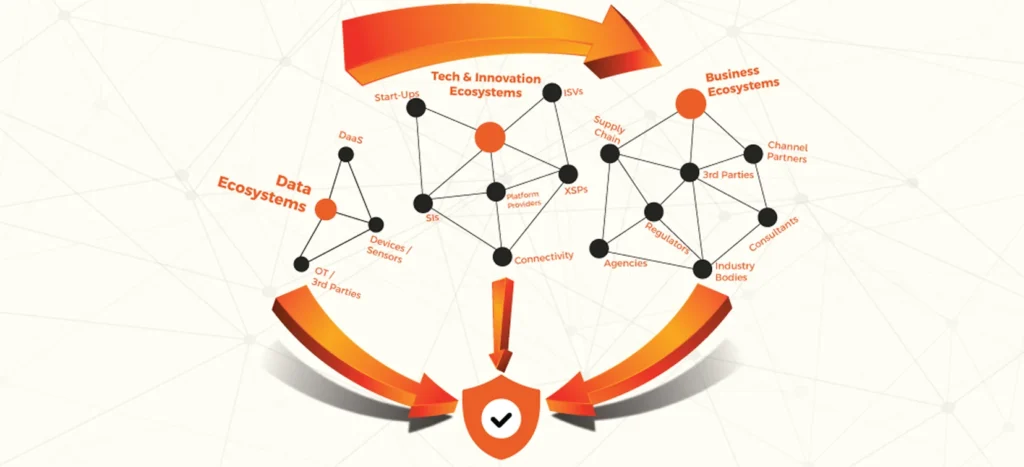
The next decade will not belong to the companies with the largest feature sets or the loudest announcements. It will belong to organisations that recognise ecosystems as living systems and design them accordingly. The shift from go-to-market to go-together-market is not a change in language. It is a recognition that value creation has become distributed.
Companies can choose to design for that distribution deliberately. Or they can continue treating ecosystems as an afterthought — until direct sales no longer scales and leadership realises the model no longer reflects how customers buy.
The structural shift is already underway.
The only remaining question is who adapts early — and who discovers too late that the architecture of growth has moved beyond them.
This concludes the series on building durable SaaS partner ecosystems.
Looking to enter or growing in new markets?
