


GTM Alignment Without Burning Out Partner Teams
16 April 2026


Redmond Orme
Fractional Global Partner Director | Scaling B2B SaaS & eCommerce | Channel Strategy & GTM Specialist | Consultant @ Cloud and Commerce
Share with your community!
Part 2 - GTM Alignment Without Burning Out Partner Teams
Anyone else feel like GTM alignment sometimes turns into GTM overload?
The average partnership leader has 16 jobs. None of the people they depend on report to them. And yet… they carry massive revenue targets.
In Part 1 of this series on maximising value in the channel, we looked at how enablement drives engagement.
Today we’re talking about protecting the unsung heroes of GTM Partner Managers and Partner Sales Directors so they can create value day by day instead of drowning in background tasks and noise.
Partnership leaders aren’t just “relationship managers.” They are:
- Business strategists
- Market analysts
- Designers
- Sales engineers
- Solutions consultants
- Account managers
- Event planners
- Finance operators …and nine other roles.

When GTM is misaligned, these high-value people get stuck in:
⏳ Untangling overlapping campaigns
🛠 Rebuilding enablement on the fly
📉 Recovering from launch confusion mid-quarter
Considering a typical Partner Manager salary, each wasted hour costs $150+ in productivity. Across a team, that’s hundreds of thousands burned — before you factor in lost revenue from missed deals.
Based on my experiences, here’s the top 5 cultural and tactical fixes that have to be implemented and improved to drive big gains:
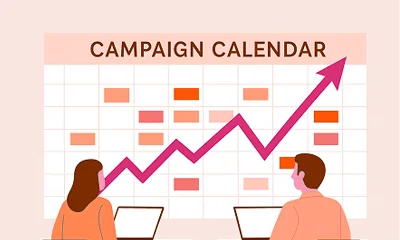
Joint GTM planning – one calendar, one motion, one story.
- All revenue teams (sales, marketing, partnerships, alliances) share a single planning cycle
- Campaigns, launches, and partner motions are sequenced to avoid audience collisions
- Partner Managers get visibility before campaigns go live, not after
Result: Eliminate campaign collisions, cleaner messaging, stronger partner/customer experience

2. Shared success metrics – rewarding collaboration, not competition
- Tie part of variable comp to company-wide revenue and customer outcomes
- Set joint OKRs for cross-functional objectives like co-selling pipeline
- Recognise multi-team wins, not just the loudest attribution claims
Result: “We win together” replaces “us vs. them”
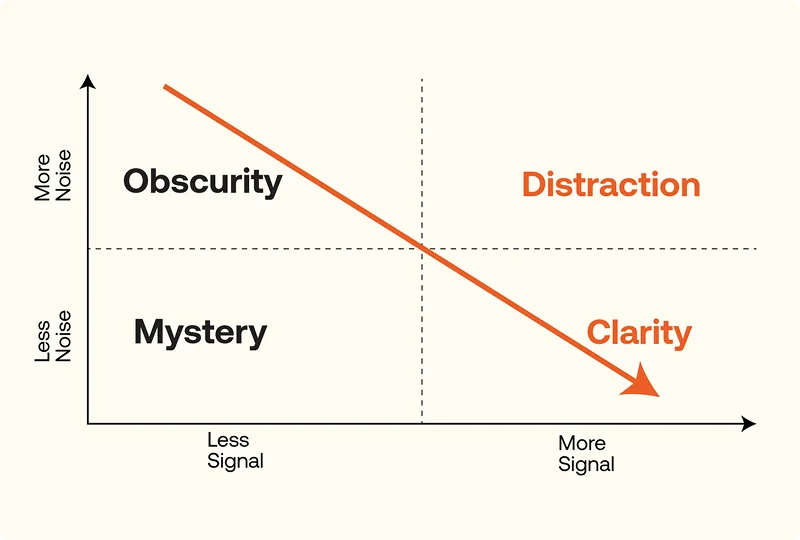
3. Attention budgeting – treat partner attention like currency
- Track all partner communications across GTM functions
- Set caps on touchpoints per segment each quarter.
- Prioritise high-impact interactions over floods of low-value noise
Result: Partners will stay engaged, choose to grow their business alongside yours, and be far more responsive for the moments that matter most
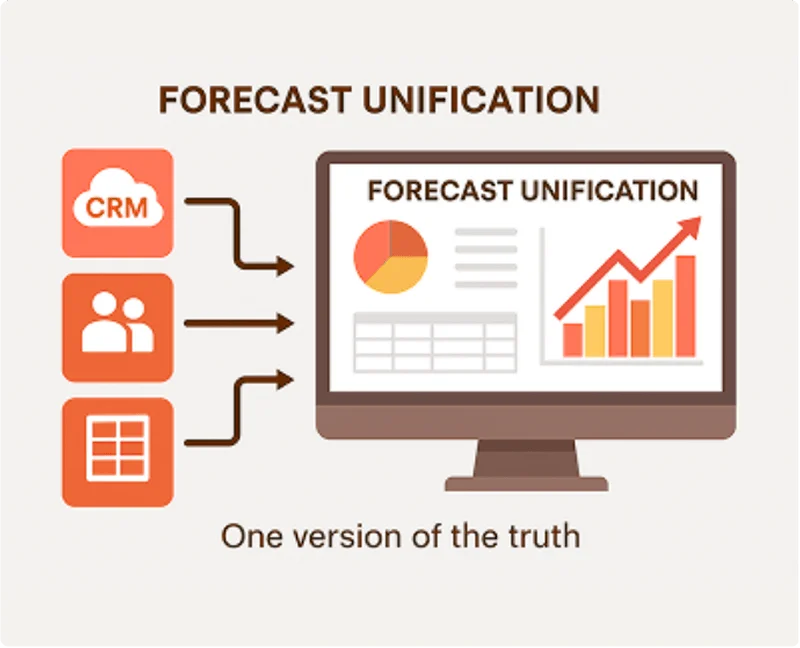
4. Forecast unification – one version of the truth
- Create a single standardised revenue forecast and partner performance dashboard for all stakeholders.
- Use PowerBI, Tableau or similar for dashboards so Senior Leadership Teams can make decisions and perform their own “what if” analysis easily and at their speed of thought.
- Power the forecast and dashboard with data from a single system instead of multiple CRMs, PRMs, and spreadsheets. If it’s hard to move away from these, de-silo by ensuring they’re fully integrated and synchronised.
- Automate updates to remove manual consolidation and reformatting. Without this, Partner Managers can spend 4–8 hours a week just on forecast admin — costing $46,800/year per person in non-selling work.
Result: Faster reporting, fewer errors, self service generates fewer internal
In my next post – Data That Drives Action – we’ll dive deeper in to this topic.
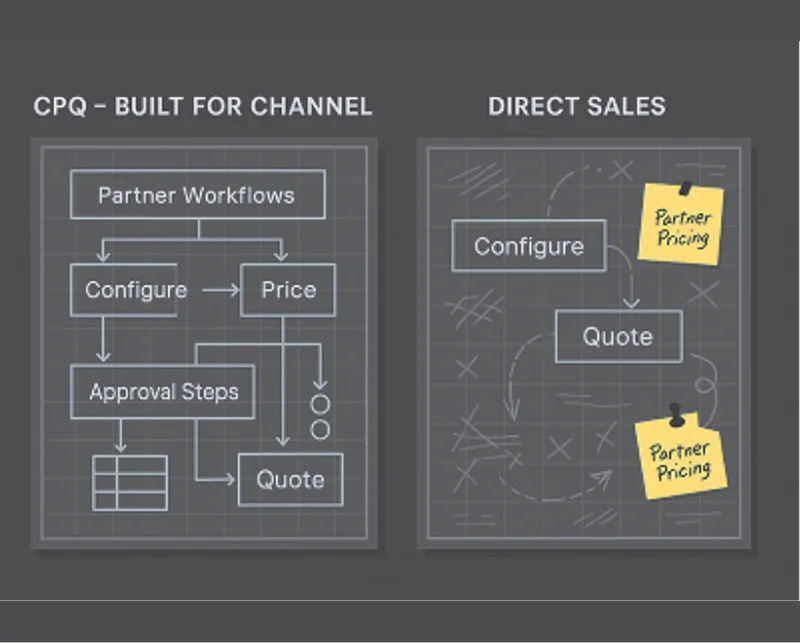
5. CPQ alignment – faster quotes, fewer bottlenecks
- Configure, price, and quote workflows built for partner-led deals — not just direct sales
- Automated partner pricing rules to avoid manual back-and-forth
- Integrated approvals that shorten turnaround from days to hours. Without this, Partner Managers become quoting middlemen, losing 2–4 hours per deal and stalling revenue.
Result: Cleaner processes, faster deal cycles, happier partners
In my next post – Data That Drives Action – we’ll dive deeper in to this topic.
Summary: When GTM teams adopt these principles, you’re not just avoiding burnout — you’re giving Partner Managers and Partner Sales Directors the clarity, tools, and alignment they need to focus on accelerating deals instead of cleaning up messes.
Next in the series: The three metrics that actually move partner programs.
- Part 1 - Enablement Drives Execution. That’s What Unlocks Partner Growth.
- Part 3 - Data That Drives Action
- Part 4 - The Real Shift: From GTM to GTWe
- Part 5 - The Hardest Lesson in Building Partnerships
- Part 6 - The Rise of the hybrid partner
- Part 7 - Why the Next Decade Belongs to the Partner Ecosystem
Looking to enter or growing in new markets?
